The story
Kharkiv1922
Vidkun Quisling graduated top of his class from the Norwegian military academy, served as attaché in Petrograd and Helsinki, and in 1922 went to Kharkiv to run a branch of Fridtjof Nansen’s famine relief in the Soviet Union. His reports on the Ukrainian famine were among the best informed anyone filed, and in the provinces where the Soviets had held up foreign aid longest, the operation he ran was the difference between life and death for tens of thousands of people.
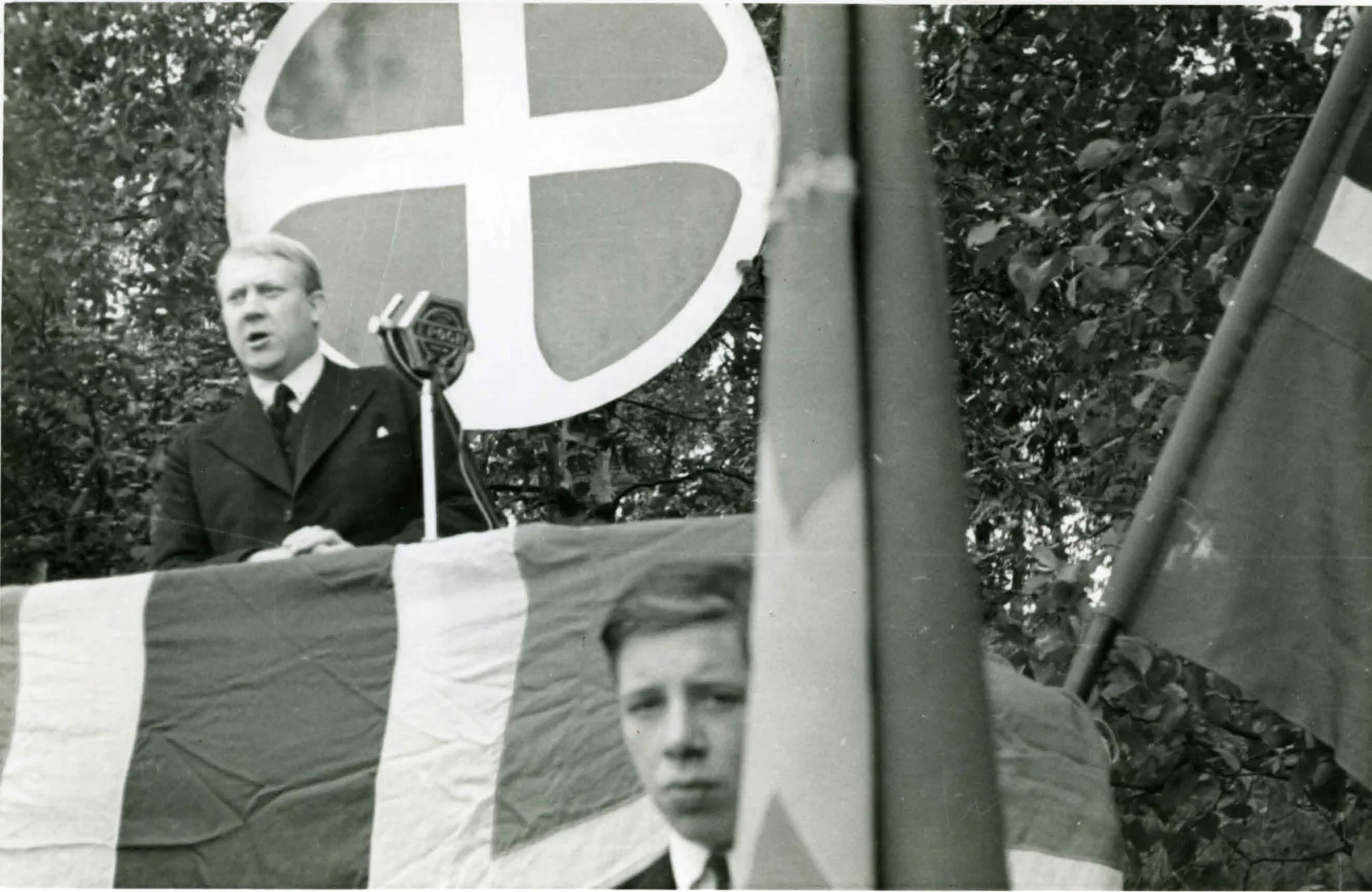
He came home, served as Minister of Defence, and in 1933 founded a fascist party that never won a single seat. On the morning of 9 April 1940, as German troops landed, he walked into the national broadcaster and announced on air that he was now head of government. The German envoy was ordered to back him that evening; six days later Berlin dropped him. They put him back in 1942 as “Minister-President” of an occupied country. He was shot at Akershus Fortress on 24 October 1945.
The gap
The word was born in ten days. On 19 April 1940 The Times ran an editorial headed “Quislings everywhere” and said outright that the name was a gift to writers.
To writers, the word quisling is a gift from the gods. … Aurally it contrives to suggest something at once slippery and tortuous.
The Daily Mail had it four days later, the BBC carried it around the world, and Churchill was using it within the year. Norwegians had been calling his followers quislinger since 1933, but it took the sound of the word in English to make it permanent.
Read that editorial again. The word stuck because of how it sounded, not because of what he had done; the invasion was ten days old and the worst was still ahead. Meanwhile the same surname sits on the food-distribution reports from Kharkiv, twenty years earlier. He is the best-known Norwegian to become an English word, and the word means the exact opposite of the reason anyone first learned his name.