The story
St Petersburg1901
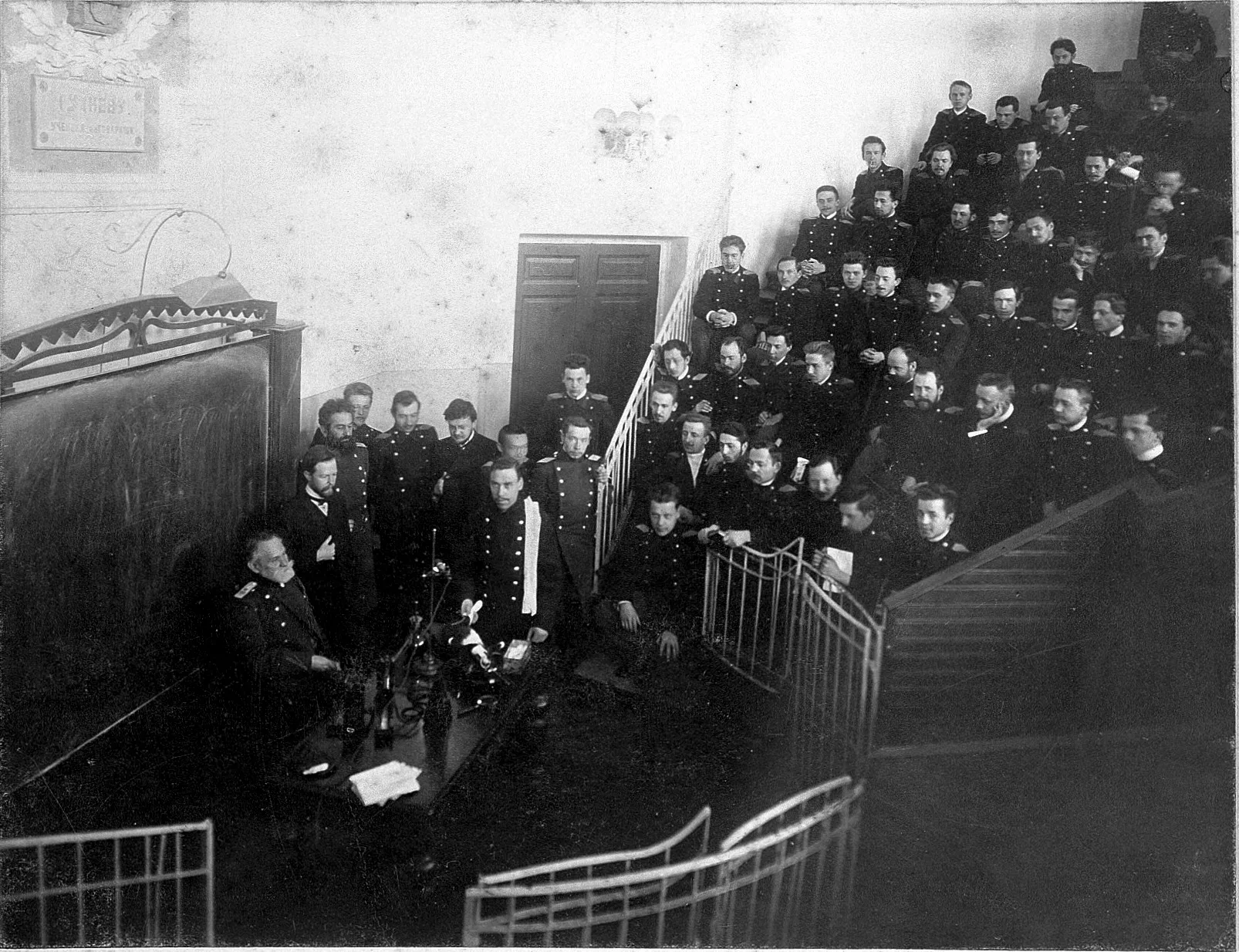
Ivan Pavlov was a physiologist, the son of a priest, and the master of what his own institute called a physiology factory: a St Petersburg laboratory where dozens of dogs, fitted with small surgical openings, gave up measured drops of saliva and gastric juice for the study of digestion. That work won him the Nobel Prize in 1904. The dogs were not the point of it. The stomach was.
Along the way he noticed something the lab called psychic secretion. The dogs began to salivate before the food arrived, at the sight of the assistant, at the sound of footsteps. From about 1901 he made this the experiment. A neutral signal, then food, repeated; then the signal alone, and the saliva came anyway. He called it a conditional reflex. The signals were metronomes, buzzers, whistles, lights, the touch of a brush, and on occasion an electric shock.
The bell is mostly a translation. The Russian word zvonok means an electric buzzer as readily as a bell, and English readers took the simpler picture. Daniel Todes, who spent years in the Russian archives, found that the bell was rarely used and never mattered. Pavlov himself disliked being called a psychologist, ran his lab under the Soviets while criticising them openly, and worked until the day before he died, dictating what dying felt like to a student at the bedside.
- Metronome
- Buzzer
- Whistle
- Light
- Bella translation of zvonok
The gap
The best-known experiment in psychology was done by a man who was not a psychologist, for a prize he won for something else, with an instrument he did not use. “Pavlov’s bell” is the phrase; the bell is the one detail that is wrong.
What he found is right, and it is in your pocket. The buzz, then the glance. Nobody rang anything.